This year the Lochaber dinghy 3 peaks race didn’t feature
dinghies. Or 3 peaks for that matter. However, what it did feature was the good
old Lochaber weather.
Lochaber weather in May
As I drove west on race morning the darkening storm clouds
and trees bending in the wind did not bode well for the race and by the time I
had reached Fort William the rain was battering down and the little white
frothy waves dancing across Loch Linnhe made the prospect of bouncing around in
a little sailing dinghy somewhat unattractive, if not downright scary. So it
was not without some apprehension that I wandered into the race registration at
the Lochaber yacht club.
Getting out of the car really wasn't that appealing....
The concept of the race is for team of sailors and runners
to compete over three mountain running stages interspersed with sailing in
dinghies to reach the start point of each mountain stage with the race starting
and finishing at the Lochaber yacht club. This isn’t actually a new race, it
used to be held back in the early 1990s but has been absent from the hill
racing calendar since then and so I was keen to have a go at it, especially as
unlike other races with “3 peaks” and “sailing” involved this wasn’t going to
take 3 or 4 days to complete and 3 or 4 weeks to recover from as the running
was only going to be approximately 10k in total.
The (fair weather) race route
Given the rough weather and the general ineptitude at sea of
runners the sailing part of the race was cancelled and a hasty bit of
reorganisation on the part of the race director Jon Gay lead to a new improvised
hill race over about 7 miles and featuring 2 peaks being presented to the
competitors and this was christened “Plan C”. And so “Plan C” saw a much
depleted field of 7 runners standing in the wind and rain outside Lochaber
yacht club at the appointed time, ready to race.
Ian and Al enjoying the conditions....
The first part of the race was straight out along the main
road and straight into the driving wind and rain. Luckily for me the faster
runners seemed to be unable to muster any real enthusiasm for running fast so I
was able to tuck in at the back of the group and take some shelter. The first
climb was a case of stumbling over tree trunks, trying not slide around in the
mud and criss- crossing the little burn running down the hillside. Not the
easiest running terrain but fortunately the trees and bushes gave some
protection from the wind and rain. Then it was out onto the exposed hill top
and a bit of heather bashing until reaching the trig point at the summit before
starting to follow the grassy track down the hill. I imagine it would be a pleasant
fast route in dry weather but the rain had mad it quite waterlogged and slidey.
The summit of the second peak, Cow Hill, was reached by
running up the wide stoney landrover track to the top where a rescue landrover
stood awaiting the runners arrival and to direct the runners back down. Jon had
even managed to persuade his mum and dad to stand on the hill as marshals – I
can’t say they looked entirely delighted about this. As I climbed up I saw the
other runners on their way back down. Davy Rodgers of Lochaber was in the lead
and was looking determined, Al Anthony and Ian Wellock were running together
and were looking like they wished they could be somewhere else. A range of
bedraggled individuals followed on behind.
On reaching the summit the course took you back down the
same direction but this meant turning into the driving wind and all of a sudden
I started to feel cold, very cold. The actual air temperature wasn’t too bad
but the wind and driving rain coupled with clothes that were wet through
started to make it unpleasant enough for me to wonder if I should have asked
what a “Plan D” might have entailed…
descending Cow Hill
I warmed up a bit as I trotted through the streets of FortWilliam,
down on to the beach and along to the stream crossing. With the heavy rain the
stream had swelled and seemed to be running worringly fast and deep. They may
have removed the sailing sections of the race but it did appear that they were
still giving us ample opportunity to be drowned. I dipped my toe in the water,
changed my mind and about turned in the direction of the bridge. How heroic.
Warm showers, an open fire and lots of great food were laid
on for the race finishers at the yacht club. The skipper of the boat I would
have been sailing with, Amanda, did a fine job of providing the food and other
sailors who were denied the opportunity to compete stood out in the freezing
conditions to marshal at turning points in the race and managed to keep smiling
although they must have been wet through.
Although it took quite a while for my hands to thaw out and
stop hurting I think I can say I enjoyed the race but what I really did love
was its friendly, low key, no fuss atmosphere and the way that the runners just
got on with racing whatever course they were given on the day. Needless to say
that there was much amusement at the prize giving when the race prizes turned out to
be sun hats and sun glasses!
Davy Rodgers was the winner
Hopefully next year the weather will be a little kinder and
so this great little race will have a chance to re-establish itself in the hill racing
calendar.
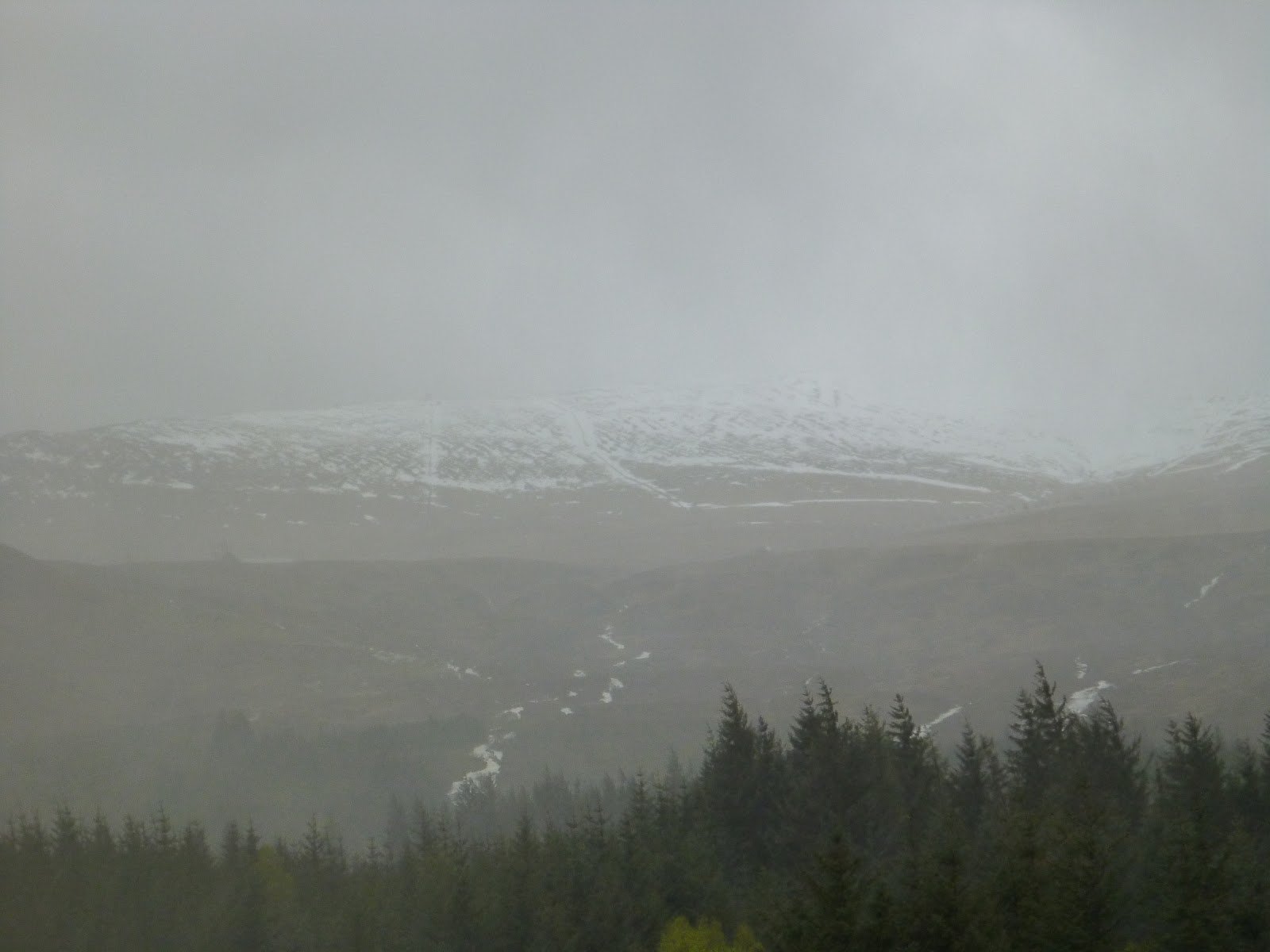
Cow Hill
* Thanks to Jon Gay for some of the above photographs
The 3 Peaks race is one of
the classic races of the English fell running calendar. At a little over 23
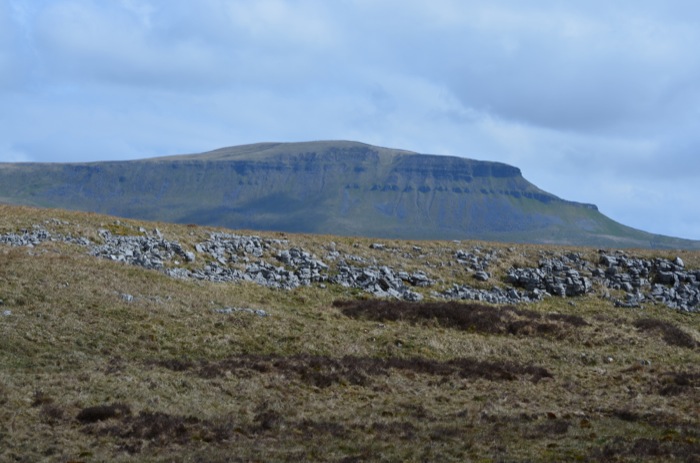
miles and 5200ft of climbing the route takes in the summits of Pen y gent, Whernside
and Ingleborough as well as landmarks such as the magnificent Ribblehead
viaduct and the geological wonder of the limestone pavements, over open
moorland and along well made tracks and trails.
The race has a history of
over 50 years and the list of past winners reads like a whose who of British
distance running but not only fell runners, British marathon great Ron Hill was
a former winner. This year the race was an English Championship “counter” and
nearly 750 runners set off from the start line in Horton in Ribblesdale. My
last attempt at the race had been in 2008 and so I really wanted to make an
attempt on my pb but the conditions were maybe not favourable with a strong,
cold wind and the ground was a lot wetter and more boggy than I remembered from
four years previously due to the recent rainfall. Lisa was struggling with injury and was less than
confident as we lined up to start the race. However it looked like the weather
was to be dry for the race and we were both looking forward to it in an apprehensive kind of way so I made the decision to go for it from the start
and got to the summit of Pen y gent a lot quicker than I had anticipated.
We were met by the race
leaders storming down the hillside whilst we were still climbing and so I was
aware that fellow Trotter Joe Symonds, running the event in his team Salomon colours,
was in about 5th place. Needless to say that this was the last I
would be seeing of the leaders until their photos appeared on various websites
after the race. I didn’t spot Lucy Colquhoun or Sarah O Neil up ahead and I
didn’t realise that another fellow trotter, Dave Fulton was competing until
after the race as it was a big crowd of runners making their way up the hill
that morning.
The descent from Pen y gent
was uneventful and although I was aware my pace had slowed it felt like no time
at all before I reached the section of road leading to the Ribblehead viaduct checkpoint.
I checked in and didn’t hang around at the checkpoint, clambered across the
river and started the steep slog up to Whernside – only to find that my legs
were refusing to work. It slowly dawned on me that I had been so focused on
beating my previous time for the race that I had neglected any refuelling
strategy and had eaten nothing since the start of the race. I shovelled down a
few jelly babies but it was probably a case of too little, too late.
I plodded up Whernside slowly,
being overtaken all the time, but hopeful that reaching the summit would be a
little morale booster and I made a big effort to run from the summit but only
succeeded in twisting an ankle and landing in a tearful heap on the rocks only
a few metres into the descent. I gave myself a good talking too – words to the
effect of “Man up, you fecking pansy”, ate a few more jelly babies and
distracted myself by watching the mountain rescue helicopter which had landed
on the ridge, hopefully mountain rescue were only there as a precaution or
using the event for training. I picked my way more carefully down the path and
lost far too many places and a lot of time in the process. On nearing the next
checkpoint at Chapel-le dale there were a lot of supporters out on the course
and they were only too keen to yell that I was in serious danger of being timed
out and that I should speed it up a bit. I did my best to go flat out along the
track and managed to check in with only 2 minutes to spare. I bet the members
of Team Salomon don’t get that kind of adrenaline rush in a race!. The marshall told me that I
was the last runner that they were going to let continue and that anyone behind
me would be timed out although I found it hard to believe that there could
actually be anyone behind me by this stage.
I took the opportunity to
munch a fudge bar and then trotted off determined to overtake some of the
runners who were just in front, after all it isn’t over until the fat bird
sings (or crosses the finish line) is it? As I started the ascent of Ingleborough
I reflected on the wisdom of my eyeballs out effort to get to the checkpoint,
after all I was feeling pretty sorry for myself and could have got myself timed
out and been in a nice warm car on my way back to Horton with a legitimate DNF
couldn’t I? Instead I found myself staring at the summit of another mountain with
at least another 1 hour of running ahead of me and I use the term ”running” in
the loosest possible sense of the word….
As I marched grumpily up the
wooden board path over the bog I pondered the possibility that the event
sponsor Salomon might have put up a nice wee prize for the last place
finisher…..hmmm……
Happily it didn’t seem too
long before I checked in on the summit of Ingleborough having passed a few
runners and by then I had taken a more closer interest in my fellow competitors
and I was pleased to see that I wasn’t the only one suffering. There were some
very sorry sights crawling up the hill that day. It was cold on the summit but
I took my one and only chance of the day to admire the view before starting the
long descent of Ingleborough through its famed limestone pavements and to the
finish in Horton in Ribblesdale.
On finishing the first person
I met was Sarah who had a storming run to win the womens title. Joe had
followed in his fathers footsteps – Hugh Symmonds has won this race 3 times, I
believe, in 1985, 86 and 87 – so only 2 more to go, Joe! The course has changed
several times since the inaugural race in 1954 so there is little point in
comparing times.
Lisa had been injured going
into the race and had retired early so she had quite a wait for me to finish
and I was very near the back of the field although not last. I felt marginally
better when I discovered that there were over 100 DNF’s though and concluded
that I had just set out at a pace that I was unable to maintain and had paid
the price.
We headed quickly back to the youth hostel in
Ingleton where we stayed for the Friday and Saturday night and it turned out to
be ideal, a lovely picturesque village with a good selection of pubs but
discovery of the weekend was most definitely the tiny Italian restaurant with
its fabulous food and wine. Lisa and I thought we were pretty hard core
attempting the 3 peaks – until we met 3 other runners staying at the youth hostel
who were doing the 60 mile fellsman race on the same day. I felt sorry for anyone
planning a quiet weekend hill walking in the area as that weekend the hills
would have been hooching with runners, marshalls and race supporters.
Thanks to Dave and Eileen Woodhead for letting me use some of their photos (www.woodentops.org.uk)
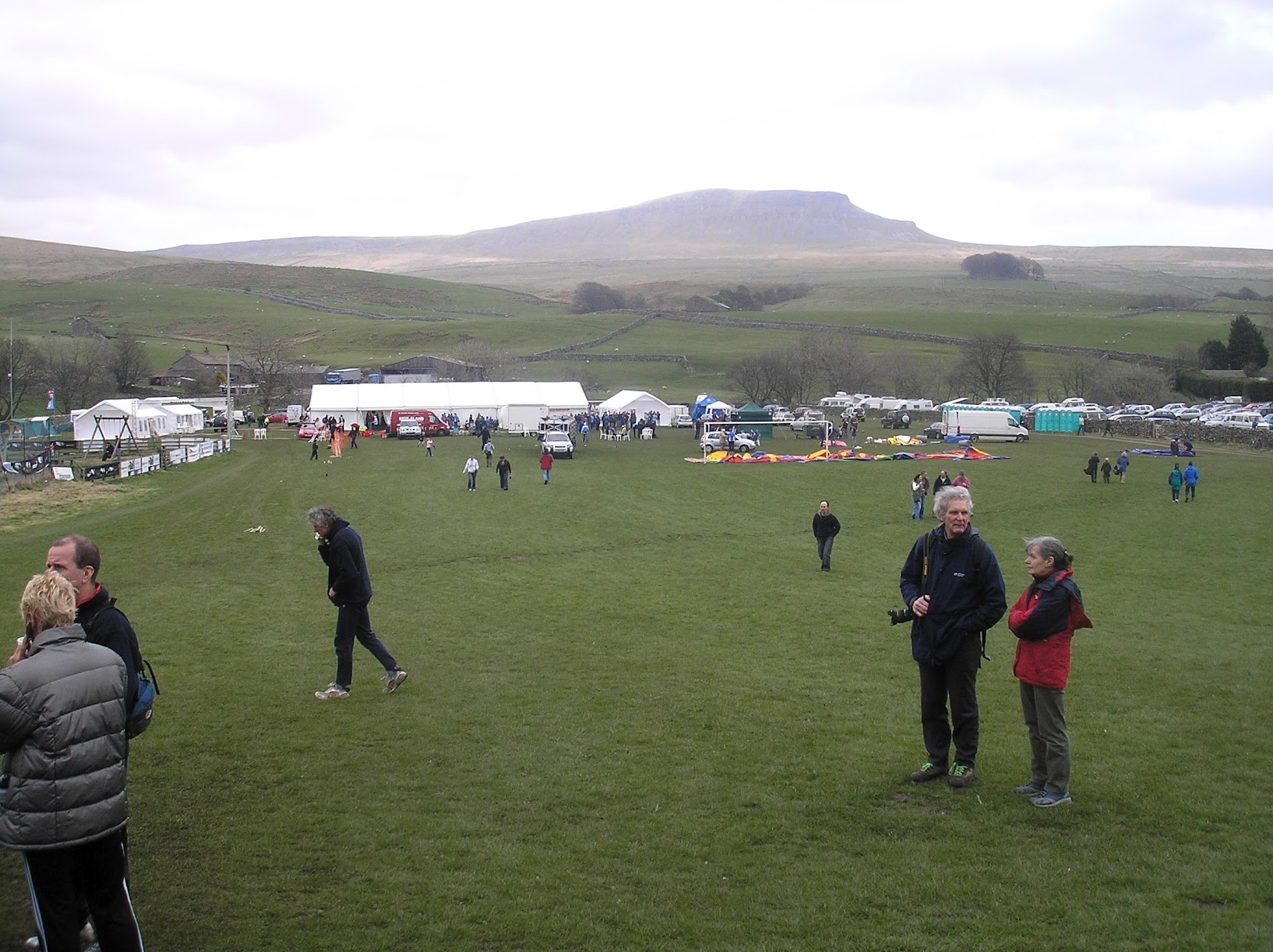
The start and finish at Horton in Ribblesdale with Pen y Ghent in the background
On the climb
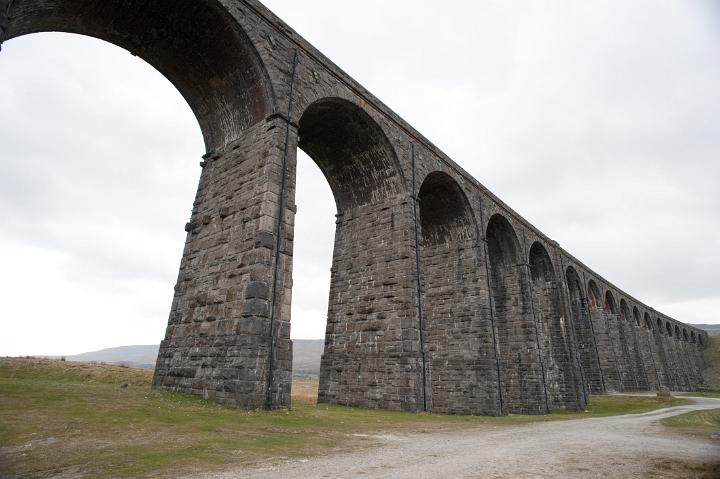
Ribblehead viaduct
Limestone Pavements
Lodge hall - a fascinating ancient landmark on the race route - one day i plan to have a proper look at it rather than just run past it!
These were i the race goody bag from race sponsor Salomon. Simon pointed out that it was an awful lot of effort just to get a pair of socks....
It was a desperate and sneaky
attempt by Simon to prevent me from dragging him off on yet another cold, wet,
snowy new year trip. I was hauled, unprepared and unsuspecting, into a travel
agents shop and before I knew it I was booked into an all inclusive luxury
hotel on a tropical desert island with miles of pure white sandy beaches and
warm seas. At least that’s what the brochure said. Anyway, we nearly didn’t get
there as he lost his passport in Gatwick airport moments before we were due to
get on the plane.
Passport located, disaster
averted and after a Thomsons flight which made EasyJet look like business class
we arrived on the island of Boa Vista, one of the Islands making up the Cape Verde Archipelago
some 500km west off the coast of Senegal. The 5 minute bus journey from the
airport was an eye opener for me as the tour rep, Traceeeee from Liverpool,
shrieked “Are you all having fun” to which everyone was supposed to cheer and
my initial inspection of the hotel did little to alleviate my fears as I saw
row upon row of bodies on sunbeds ranging from pasty white to lobster red
depending on how long they had been staying.
It was beginning to smack of
Brits abroad holiday hell.
The RIU KARAMBOA hotel with Sal Rei in the distance
The top of the hotel, just beyond the sand dunes
Chaves Beach
My escape strategy was formed
early the next day and so Simon was hauled off on a long walk firstly along the
glorious white beach to the island’s main town of Sal Rei and then beyond Sal Rei to the north of the island. The beaches for which Boa
Vista are famed are worth a trip alone to see them, miles and miles of white
sand stretching as far as the eye can see are beginning to lure tourists here. Cape Verde is
classed as a developing country and it is poor, very poor, so we made sure we
weren’t carrying mobile phones or flash cameras and I wore no jewellery partly
out of being cautious as it is not unknown for tourists to be mugged here and
partly out of respect for the local people. 20% of the country’s GDP comes from
remittances and Boa Vista has little home grown income other than its growing
tourist industry.
Outside the fish market in Sal Rei
Sal Rei
The first settlers in Cape Verde
when it was “discovered” in about 1460 were Portuguese and so the official
language, religion and brightly coloured colonial style houses all show this
influence and ,although slightly run down and very derelict in places, Sal Rei is
a clean and friendly town of about 4000 people. We saw fishermen
landing their catch of impressive sized tuna, did some people watching while sat
in a café in the town square and relaxed at the bar by the harbour watching the
boats come and go.
Cape
Verde has been independent since 1973 but
uses the Euro as well as the Escudo as currency.
Given that there are 5 large all inclusive hotels on the
island I was concerned that the place would be over run by tourists but I
needn’t have worried as most never leave the luxury of their hotels. Shame,
they don’t know what they are missing. I do appreciate that many people’s idea
of a holiday is precisely this but my inability to keep still for long or to
switch my brain off meant that I was on a mission to discover as much about the
island as I could.
Boa Vista has little in the way of the wow factor tourist
attractions and it is not always easy to find out about what there is to see
unless doing a wee bit of research before going as there are some gems to be found
and it certainly pays to ask as many questions as you can of the locals who can
tell you about the culture, history and wildlife. Communication was mostly
through a mixture of French, very poor Spanish, non existent Portuguese and my attempt at the
islands traditional language of Creole which fell flat but all of the Cape
Verdean people that we spoke to were more than happy to answer questions. They
are a friendly bunch particularly our host on the sightseeing boat trip who tried
to teach me African dancing but I was a lost cause, no rhythm at all.
The Jewish Cemetery - Many Jews had been deported to Cape Verde over the years as "undesirables" by their own countries. They were allowed to work in Sal Rei so long as it was in a trade or job that a non jewish person didn't want.
Simon learning from a local how to play Oril whilst sampling the local tipple, grogue, which is made from sugarcane
Water and energy are an issue on
Boa Vista. All water comes from desalination plants and the town of Povocao Velha in the
south of the island doesn’t have its own water supply and can only generate
enough electricity for 10 hours a day. To get to most places on Boa Vista a
landrover or 4 wheel drive is needed, the roads are either cobbled or dirt
track for the most part and those on the north coast of the island that looked
on the map as though they may be passable turned out to be over sand dunes.
Povocao Velha is the oldest settlement on the island
Nothing grows on Boa Vista other
than desert scrub plants and in a few areas palm trees. It is a fascinating
desert ecosystem and this desert is gradually growing as sands blow in from
the Sahara, encroaching the island and everything on it, as could be seen from
the ruins of an old brick factory near the hotel which is slowly being
reclaimed by the sands.
The tower of the old brick factory
The Deserto de Viana, a 7km stretch of white sand dunes
Palm trees blowing in the wind with the extinct volcano of Santo Antonio beyond
A strong wind blows over this
arid landscape almost constantly but paradoxically Boa Vista has one of the
worlds most important wetlands as when the rains come in late summer they come
with vengeance and on areas of the west coast of the island, Rabil lagoon and in
the gorge or wadi and an abundance of
plant and birdlife appears for a short period of time.
The gorge
Rabil lagoon (no idea what the yellow flower is)
A very large cricket....good job the little critter was friendly!
To the consternation of some we
spoke to the strong winds between December and March are not something the
Thomsons brochure mentions in any great detail nor are the fierce rip tides,
waves and under tows which mean that a red flag is flown at the hotel beach,
sometimes for a week at a time, indicating it is too dangerous to go in for a
dip. Fortunately we went to another beach the day the flag was flying at our
hotel beach and enjoyed our exhilarating swim, ignorance is bliss, although I
did wonder why no one else was going in. Like the Hebrides, maybe the weather
will be Boa Vista’s saviour from it becoming Africa’s
equivalent of Benidorm. Can you imagine the hotels that would be on Luskintyre
beach if it wasn’t for the cold, the rain, the wind, the cold water, the
midges…..
I was beginning to like the place more and more.
The beaches are nesting grounds for turtles but we had come
at the wrong time of year for turtle watching. Unfortunately many turtles had
been slaughtered last year by locals for their eggs and meat and there are
little resources that can be invested in their protection in country that is
not wealthy and has other priorities.
A wall built to keep the sand from spreading - it wasn't very successful!
The eerie wreck of the Santa Maria
My last 3 holidays have been running related and so
unusually for me this trip wasn’t for a race but I did keep my eye out for any
possible races should a future trip here be on the cards. All that was
available was a 150km ultra marathon across the shifting sands and arid
deserts. Having found my morning runs along the beach and over the dunes hard
enough and having sustained a few blisters in the process I wasn’t in a big
hurry to send off my race entry for this one!.
The 9 inhabited islands of the 10 islands making up the Cape Verde
archipelago each are very different in character and so we decided to
investigate another island. Whereas Boa Vista is a desert island with its extinct
volcanoes rising from the sands appearing a lot higher than they are, Fogo is a
green, mountainous, fertile island. Fogo is also a dormant Volcano.
The arrival to Fogo by air is breath taking
After a quick breakfast and tour round the capital, Sao
Filipe, the bus started the long ascent up to the volcano crater which took us
through fertile agricultural land where maize, cabbages, bananas, mangoes and
cashew nuts were growing.
Bananas!
There is a village in the volcano crater where the villagers
live amongst scientists monitoring seismic activity, the last eruption of Fogo
being in 1995 and although living here doesn’t seem like such a great idea at
first, the slopes of the volcano offer fertile farm lands where coffee and
vines are grown although water has to be transported from several hundred metres down the slopes of the island as there is no supply in the crater. Fogo produces its own wine with the Italian owned winery also
located in this village in the crater and at 5 Euros a bottle along with a kilo bag of beans and peppercorns
with which to make Cachupa, an African stew, my suitcase was almost bursting on
the way home and I only narrowly made my flight luggage allowance.
The road to the crater
A lone vine struggles for survival in the volcanic ash
The village in the volcano crater, the Cha das Caldeiras
The peak of the volcano Pico doFogo
Children selling souvenirs made from volcanic rock. On an island where unemployment is running at nearly 30% this income is much needed.
After the relative peace and quiet of Fogo it was back to
the hotel on Boa Vista. I had no complaints at all about the hotel, it was
spectacular and luxurious, rooms were lovely, food was amazing but something
didn’t feel right when on an island where all water comes from the
environmentally unfriendly desalination process and nothing grows they are
watering the flowers in the hotel grounds for the guests delight. I also don't understand why the hotel doesn't offer more information on the history and wildlife of the islands, maybe some displays or talks instead of the Butlins style "entertainment" which seemed to be on offer every night but I guess popular choice will always win through.
The swimming pool. This photo was taken at 7.30 am as i headed out for a run. By 8.30 am the sun worshippers were already out putting towels over the sunbeds to reserve them......
The view from the balcony
Cape Verde
has a sad history of use and abandonment firstly as a port in the supply and
trade routes pre Suez
and pre oil power for ships, in whaling, in the horrific slave trade and in
salt exporting with each of these trades coming, flourishing for a while and
then fading. Cape Verde was
renowned for the quality of its slaves as only the strongest made it through
the voyage from Africa and having stayed in Cape Verde for a while under
Portuguese masters they spoke some Portuguese and understood the Catholic
religion. Then
came the years of famine and drought reaching a peak in the
early 20th Century when many died.
The latest business boom is tourism. Admittedly tourism in
the style of all inclusive resorts does bring jobs albeit low paid menial jobs
but this does not feel like true investment in the islands and does not really
seem to help local businesses. Cape
Verde traditionally doesn’t have a
hospitality industry as European countries recognise it but there are bars and
restaurants and guest houses in Sal Rei and had I been more travel savvy and
done more research these would have been options. On Fogo, its even possible to
stay in the volcano crater which is what I will be doing when I return to these
beautiful islands.